
Introduction: Why NBA Playoff Scenarios Matter
As the regular season of the NBA reaches its final stretch, fans, analysts, and teams all turn their attention to one thing: NBA Playoff Scenarios. This is the time when every game becomes meaningful, every win can push a team closer to the postseason, and every loss can put their hopes in danger. Understanding NBA Playoff Scenarios is not just for experts anymore. With the rise of the Play-In Tournament and tighter competition across both conferences, even casual fans want to know what their favorite team needs to qualify. In this guide, you will learn everything in a clear, simple way so you can follow the playoff race with confidence and excitement.
Quick Bio Information About NBA Playoff Scenarios
NBA Playoff Scenarios Are Based On Regular Season Performance And Rankings.
The Top Six Teams In Each Conference Automatically Qualify For The Playoffs.
Teams Ranked Seventh To Tenth Compete In The Play-In Tournament.
The Play-In Format Was Introduced To Increase Competition And Engagement.
Home-Court Advantage Is Given To Higher-Seeded Teams.
Tiebreakers Include Head-To-Head Results And Conference Records.
The Regular Season Consists Of 82 Games For Each Team.
Playoff Series Are Played In A Best-Of-Seven Format.
The Number One Seed Faces The Lowest Qualifying Team.
Momentum Late In The Season Can Influence Playoff Success.
Strength Of Schedule Affects A Team’s Chances Of Qualifying.
Injuries Often Play A Major Role In Playoff Scenarios.
Teams Can Move Multiple Spots In The Standings Within Days.
The Play-In Tournament Adds Extra Pressure To Lower Seeds.
Winning Streaks Late In The Season Are Crucial For Bubble Teams.
Defensive Performance Often Improves For Teams Heading Into The Playoffs.
Coaching Strategies Become More Important As The Season Progresses.
Fan Support Can Influence Home-Court Performance During Playoffs.
How The NBA Playoff System Works
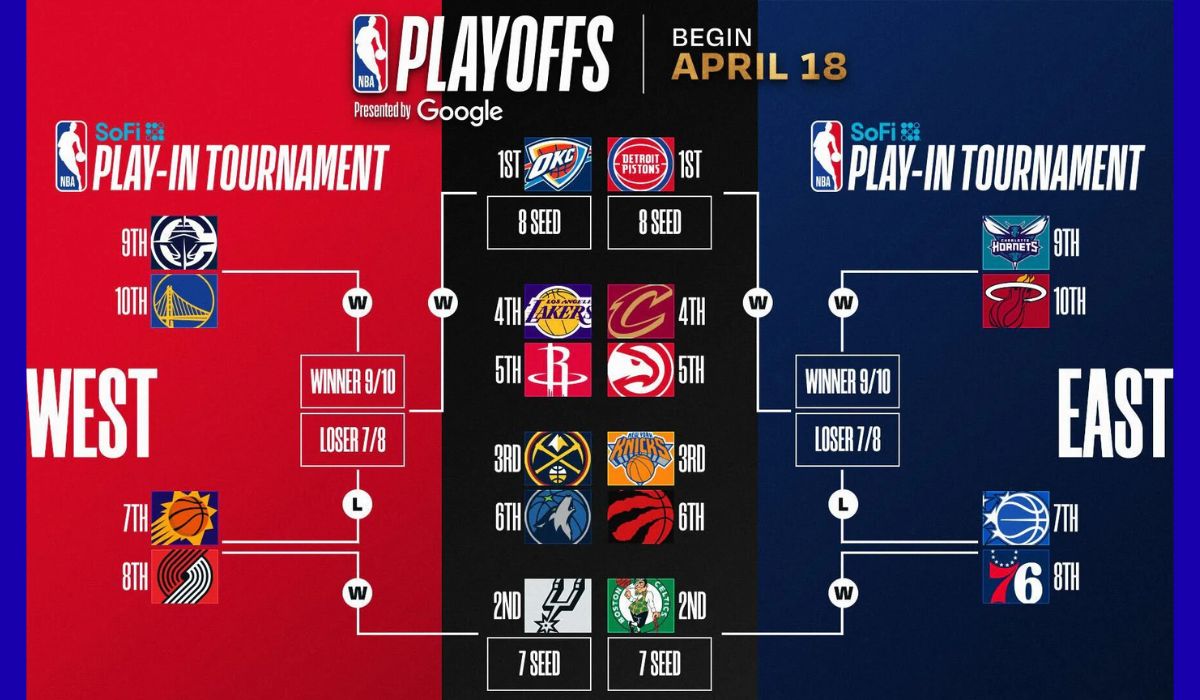
The NBA Playoff System is designed to reward the best-performing teams in each conference. The league is divided into the Eastern Conference and the Western Conference, and each sends eight teams to the playoffs. However, things are not as straightforward as they used to be. The top six teams in each conference automatically qualify for the playoffs based on their regular season record. Teams ranked seventh to tenth enter the Play-In Tournament, which adds an extra layer of competition and unpredictability. This system ensures that more teams stay competitive until the very end of the season, making NBA Playoff Scenarios more dynamic than ever.
Understanding The NBA Play-In Tournament
The Play-In Tournament has completely changed how NBA Playoff Scenarios are calculated. Teams ranked seventh and eighth have two chances to secure a playoff spot, while teams ranked ninth and tenth must win two consecutive games to qualify. This format keeps lower-ranked teams engaged and gives fans more meaningful games to watch. It also means that finishing in the top six is more valuable than ever, as it allows teams to avoid the uncertainty of the play-in. For many teams, the difference between sixth and seventh place can define their entire season.
Current NBA Standings And What They Mean
NBA Standings are the foundation of all playoff scenarios. A team’s position in the standings determines not only whether they qualify but also their playoff seeding and potential matchups. Teams at the top are fighting for home-court advantage, which can be crucial in a seven-game series. Meanwhile, teams in the middle are trying to avoid the play-in, and those at the bottom are battling just to stay alive. Because the standings are so tight in modern NBA seasons, even a single game can shift multiple teams’ positions, making the playoff picture constantly evolving.
Key Factors That Decide NBA Playoff Scenarios
Several important factors influence NBA Playoff Scenarios beyond just wins and losses. Strength of schedule plays a big role, as teams facing tougher opponents may struggle to secure crucial wins. Head-to-head matchups also matter, especially when teams are close in the standings. Conference records can come into play when determining rankings, and late-season momentum often separates contenders from pretenders. Understanding these factors helps explain why some teams rise at the right time while others fall short.
NBA Tiebreaker Rules Explained Clearly
Tiebreakers are one of the most misunderstood parts of NBA Playoff Scenarios. When two or more teams have the same record, the league uses a series of rules to determine their ranking. The first factor is head-to-head record, followed by division leadership if applicable. Then comes conference record and performance against playoff teams. These rules ensure fairness but can also create surprising outcomes. A team may have the same record as another but still rank lower due to losing key matchups earlier in the season.
What Each Team Needs To Qualify For The Playoffs
Every team’s path to the playoffs looks different depending on their position. Top teams are focused on securing the best possible seed and maintaining consistency. Mid-tier teams are trying to climb into the top six to avoid the play-in. Bubble teams, on the other hand, must win as many games as possible while hoping for favorable results from other teams. This creates a complex web of scenarios where one game can impact multiple teams at once, making the race both exciting and unpredictable.
Best-Case And Worst-Case Scenarios For Teams
Best-case scenarios usually involve teams winning most of their remaining games while their direct rivals lose key matchups. In contrast, worst-case scenarios occur when teams go on losing streaks and fall behind competitors. Because NBA Playoff Scenarios depend on multiple teams, even strong performances may not be enough if other results do not go their way. This is why fans often find themselves cheering not just for their team but also against certain opponents during the final weeks.
Key Games That Shape The NBA Playoff Picture
Certain games have a much bigger impact than others when it comes to NBA Playoff Scenarios. Matchups between teams fighting for the same position are especially important, as they directly affect standings and tiebreakers. Late-season games often carry playoff-like intensity, with teams giving maximum effort. These games are where stars step up, coaches make crucial decisions, and the playoff picture begins to take its final shape.
Predictions For The NBA Playoff Picture
While predicting NBA Playoff Scenarios is never easy, patterns often emerge as the season progresses. Strong teams tend to secure their positions early, while the middle of the standings remains competitive until the end. Injuries, schedule difficulty, and team chemistry all influence outcomes. Experts often analyze trends to forecast which teams are likely to qualify, but surprises are always possible. This unpredictability is part of what makes the NBA so exciting.
How Fans Can Follow NBA Playoff Scenarios Easily
Following NBA Playoff Scenarios may seem complex at first, but it becomes easier with a few simple habits. Keeping an eye on daily standings updates helps track changes. Watching key matchups between competing teams provides insight into potential outcomes. Many fans also use playoff trackers and simulations to understand different possibilities. Over time, recognizing patterns in team performance makes it easier to predict how the playoff picture might unfold.
Why NBA Playoff Scenarios Change So Quickly
One of the most exciting aspects of NBA Playoff Scenarios is how quickly they can change. A single night of games can completely reshape the standings, especially when multiple teams are close in record. This constant movement keeps fans engaged and ensures that every game matters. It also highlights the importance of consistency, as even a short losing streak can have serious consequences in a tightly contested season.
The Role Of Strategy In Securing A Playoff Spot
Teams do not rely solely on talent to secure a playoff spot. Strategy plays a huge role, especially in the final weeks of the season. Coaches may adjust rotations, rest key players, or focus on specific matchups to gain an advantage. Front offices also contribute by making trades or roster adjustments earlier in the season. These decisions can significantly impact a team’s ability to navigate complex NBA Playoff Scenarios successfully.
Final Thoughts: What To Watch As The Season Ends
NBA Playoff Scenarios are a perfect example of why basketball remains one of the most exciting sports in the world. The combination of competition, strategy, and unpredictability creates a thrilling experience for fans. As the season comes to an end, every game becomes more important, and the playoff picture becomes clearer. By understanding how the system works and what each team needs to qualify, you can enjoy the journey even more. Whether you are a casual fan or a dedicated follower, the race to the playoffs offers something for everyone.
FAQs About NBA Playoff Scenarios
What Are NBA Playoff Scenarios?
NBA Playoff Scenarios Refer To The Different Possible Outcomes That Determine Which Teams Qualify For The Playoffs Based On Their Performance In The Regular Season. These Scenarios Change Daily As Teams Win Or Lose Games.
How Many Teams Make The NBA Playoffs?
A Total Of Eight Teams From Each Conference Make The Playoffs. The Top Six Qualify Directly, While Teams Ranked Seventh To Tenth Compete In The Play-In Tournament For The Final Spots.
What Is The NBA Play-In Tournament?
The Play-In Tournament Is A Mini-Competition That Decides The Last Two Playoff Spots In Each Conference. It Involves Teams Ranked Seventh To Tenth And Adds Excitement To The End Of The Season.
Why Are Tiebreakers Important In NBA Playoff Scenarios?
Tiebreakers Determine Which Team Ranks Higher When Records Are Equal. They Can Decide Playoff Qualification, Seeding, And Even Which Teams Miss Out Entirely.
Can A Tenth-Seeded Team Make The Playoffs?
Yes, A Tenth-Seeded Team Can Qualify By Winning Two Consecutive Games In The Play-In Tournament, Making It One Of The Most Challenging Paths To The Playoffs.
What Factors Most Affect NBA Playoff Scenarios?
Key Factors Include Win-Loss Records, Head-To-Head Results, Conference Performance, Strength Of Schedule, And Late-Season Momentum.
How Often Do NBA Playoff Scenarios Change?
They Can Change Daily, Especially During The Final Weeks Of The Season When Teams Are Closely Matched In The Standings.
Why Is Finishing In The Top Six Important?
Finishing In The Top Six Guarantees A Playoff Spot And Avoids The Risky Play-In Tournament, Giving Teams A More Secure Path To The Postseason.
Please Read Also: nbaplayoffs.blog